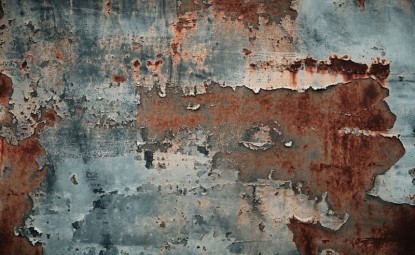


What removes a rust stain is a question everyone who encounters this stain is looking to answer. Rust isn't just a problem on clothing — it's also common on floors, furniture, and many other items. Basically, rust is the oxidation of metal. This oxidation can leave rust stains and make cleaning more difficult. Rust stains are the kind that will really challenge you. It's normal for many metal surfaces, such as aluminum and copper, to rust. There are many types of rust, each with a different appearance. Water or moisture can allow contact with iron. Water reacts with carbon dioxide in the air to form carbonic acid. In that case, rust will appear. As a result, many people ask how to get rid of rust stains.
You can use a surface cleaner to remove rust stains from tile. If there is dust, debris, or residue other than rust in the area to be cleaned, you should sweep that area first to clear the dust. Then prepare a surface cleaner and soapy water, and wipe away any rust with a clean cloth. Next, use a rust remover. Spray the rust remover directly onto the rust and let it sit for 10 to 15 minutes. Then fill an empty spray bottle with clean water and spray the area so the rust remover can rinse away. Other surfaces can be covered with a cloth to prevent the running water from staining the floor. If you need to clean walls, keep spraying continuously for a few minutes after applying the rust remover, then rinse the area.
Follow these steps to remove the rust stain:
First, do a rough clean of the rusty surface with dish soap.
It's very important to spray rust remover onto the stained surface and wait about 10 minutes for the stain to break down. If you want to know how to remove rust stains from tile, the most effective method is a rust remover. For very small stains, you can also use toothpaste.
As the second step, scrub the rust residue on the stain with a scouring pad or wire brush. You can also use a toothbrush to scrub between tiles or in corners. Using a toothbrush on areas like bathroom and kitchen tiles is a very effective method.
You can try using a scouring pad for rust stains on tile and flooring. However, since it may damage your walls, you should only use a sponge, cloth, or brush there.
Use water and a cloth to clean away splashes and rust from the surface. After rinsing with water, don't forget to dry the surface.
Rust stains on toilet bowls aren't rare, though how they form can seem a bit odd. After all, most toilets aren't made of metal — so where does this rust- like staining come from, and what's the best way to remove it? These rust stains are caused by iron, though other minerals in the water can cause different kinds of staining. You might think bleach would work, but it can actually make things worse.
Chloroboron, on the other hand, is formulated to tackle tough jobs that other household cleaners can't handle. While it's stronger against toilet stains, including rust, it's also formulated not to harm the environment much. Thanks to the structural nature of soluble boron and calcium, it can act both broadly and intensively, and unlike chemical compounds, it doesn't affect the environment or health. With its low toxicity, it also provides a safe environment for you and your loved ones, letting you get a completely sparkling toilet in just a few steps.
So, how do you clean a toilet stain?
To use Chloroboron, it must first be dissolved in 7 liters of water, and it's supplied in separate containers made from recyclable, practical, and eco- friendly material.
Removing rust from tile: when it comes to tile, although acidic materials are considered the most important for rust stains, the most important method is actually lemon juice. The acid in lemon and salt softens the oxidized areas, making them easy to remove. For deeper rust stains, lemon juice can be used along with toothpaste instead of toothpaste alone — simply apply toothpaste to the rusty part of the tile with a stiff-bristled brush. This way, it's possible to keep your tiles looking brand-new and glossy.
Marble, especially when used on countertops, can be damaged by rust stains over time due to the substances it's exposed to. In that case, you don't have to give up on your countertop. You can get rid of these stains in just a few hours. There are many ways to remove rust stains from marble, but acting quickly is very important here. Rust stains will grow over time and form a thick layer. To prevent this, you should act urgently as soon as you notice a stain forming. Over time, the layer these stains create thickens, and the problem becomes much more permanent.
You need to be very careful when using acidic solutions to remove rust stains from marble, because these solutions can easily damage marble.
How are these stains removed? There are many effective ways to remove them. The first is a stain remover made specifically for marble surfaces, which you can easily find on the market. When buying this product, be sure to choose an acid-free stain remover, because acidic ones can erode the surface and cause unwanted results. So, what other methods can we use to get rid of these stains? Let's explain 2 rust-removal methods;
Areas like the toilet, sink, and shower cubicle in bathrooms can be exposed to rust stains due to the nature of the materials they're made from. This is a point that needs attention both in terms of appearance and health.
To get rid of rust stains in the bathroom, you can use rust-remover products from any of the many brands available on the market, or you can remove rust stains with some natural methods.
Since rust can be a fairly difficult stain to remove, people often end up throwing their clothes away — but knowing the answer to what removes a rust stain means you don't have to. Rust stains can be removed from clothing. The first important point to keep in mind when cleaning rusty items is the instructions on the label — don't put a rusty item in the machine without carefully reading the instructions first. After applying an alternative treatment, it's best to follow up according to the garment's care instructions. If the item is washed at the wrong temperature, it can damage the clothing instead of removing the rust stains. Never use cleaning products containing bleach on rust stains. Bleach should not be used on rust stains, as it can make the surface heavier and cause the color to fade. You can clean rust stains with a multi-purpose cleaner.