

Unfortunately, limescale buildup is one of the most common problems washing machines face. When the tap water has a high mineral content, every wash cycle causes limescale to build up on the heating element, the door, the drum, and even the detergent drawer. If this limescale isn't cleaned for a long time, it will cause bad odors inside the washing machine. For this reason, you should pay attention to limescale buildup in washing machines and carry out a thorough cleaning on a regular basis.
In addition to the mineral content of tap water, magnesium and calcium ions are other factors that trigger limescale buildup. These substances accumulate in different parts of your washing machine, causing damage to your laundry and bad odors, while also preventing it from being fully cleaned. For all these reasons, limescale in the washing machine needs to be cleaned.
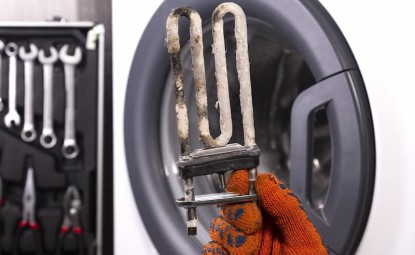
To prevent bad odors in the washing machine, drum cleaning is usually the first thing that comes to mind, but cleaning the heating element is just as important. The heating element is one of the areas where limescale buildup is most severe. That's why it's essential to descale the heating element regularly when cleaning your washing machine. The heating elements that warm the water can be descaled using different methods.
The most commonly used cleaning method involves chemical substances such as citric and acetic acid. Although these cleaning methods are widely preferred, they can actually damage parts while removing limescale from the machine. For this reason, dishwasher tablets should be preferred as a natural method for descaling machines. While such natural methods generally clean limescale, a dishwasher tablet may not be a sufficient natural solution for heating elements that have been exposed to heavy limescale buildup.
Limescale doesn't only build up on the heating element of a washing machine — it also accumulates significantly in the drum. Hard tap water with a high mineral content builds up considerably in the drum, just as it does in many other parts of the washing machine. For this reason, cleaning the washing machine should continue with the drum.
Limescale buildup in a washing machine's drum can be cleaned using many different methods. Dishwasher tablets are among the most commonly used natural methods. Although this method may seem beneficial for the washing machine, it actually carries the risk of damaging several parts of the machine. For this reason, you can extend your machine's lifespan by cleaning it with the right natural methods.
You can get effective results when cleaning your washing machine's drum with simple natural mixtures. To do this, first add half a cup of white vinegar to half a cup of baking soda, then pour this natural mixture into your machine's detergent drawer. With this mixture, you'll clean the limescale while also preventing mold from forming.
The washing machine door is one of the parts that comes into direct contact with hard water with a high mineral content. As a result, a layer of limescale forms on your washing machine's door over time. You can easily spot this limescale from the white residue that forms around the door. By easily cleaning this limescale buildup, you can prevent your machine from developing bad odors and ensure your laundry is washed to the level of hygiene you want.
To clean the limescale on the door, you can also use a natural mixture of vinegar and lemon. When you wipe your washing machine's door with this mixture, prepared in equal parts, the layer of limescale will dissolve quickly. Afterward, wiping it with a clean cloth will quickly remove the limescale from your washing machine's door.
The washing machine's detergent drawer is often overlooked when it comes to limescale problems. However, hard water that constantly comes into contact with the detergent drawer during washing leaves limescale residue there too, causing the drawer to develop limescale buildup. When the limescale that accumulates here mixes with detergent, it easily penetrates your laundry, preventing it from being washed properly and potentially leaving limescale residue on your clothes.
The most natural and effective way to clean the limescale in the detergent drawer is a mixture of baking soda and vinegar. With this natural mixture, prepared in equal parts, you can completely remove the limescale from the detergent drawer. You can wash the detergent drawer with this mixture or wipe it with a clean cloth.
The rubber seals are another spot where limescale builds up but isn't visible to the eye, so its presence often goes unnoticed. However, even though the limescale that accumulates on your machine's rubber seals isn't visible, it causes serious damage to both your machine and your laundry.
It's possible to clean the limescale that builds up inside the rubber seals using natural methods. However, you should also use preventive methods from the start to stop this limescale buildup from occurring in the first place. This way, you'll prevent limescale buildup in the rubber seals just as you would in many other areas.
A limescale remover is one of the top protective products that should be used in all household washing machines. When used in the right amount with every wash, a limescale remover softens the minerals in hard water, helping to soften the water and thereby prevent limescale buildup.
If you want to extend your washing machine's lifespan, improve its performance, and ensure your laundry is washed under top-level hygiene conditions, you need to know both natural limescale-cleaning methods and limescale-prevention methods. A limescale remover is at the top of this list. These products dissolve the limescale in the water and also break down the limescale that accumulates in different parts of your washing machine.
As in every area of life, natural methods are always healthier and more reliable. That's why you can also choose natural methods for cleaning your washing machine. A vinegar-lemon mixture is among the most effective natural solutions for limescale buildup in a washing machine. In addition, a baking soda and vinegar mixture is also an effective natural blend for cleaning the limescale that accumulates in parts of the washing machine such as the detergent drawer, drum, heating element, door, and rubber seals.
While chemical solutions are known to clean limescale that builds up especially on the washing machine's heating element, they're also known to damage the machine's components. For this reason, chemical products aren't recommended for limescale cleaning.
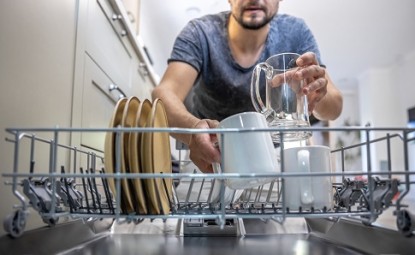
Among washing machine cleaning methods, the dishwasher tablet method is one that's very popular and widely preferred. While light limescale buildup in a washing machine can be cleaned with dishwasher tablets, these tablets aren't enough to remove hardened limescale deposits.
If you clean your washing machine regularly and want to prevent limescale buildup, then dishwasher tablets can be an effective method. However, it's also known that dishwasher tablets can damage parts of the washing machine. For this reason, natural methods such as vinegar, baking soda, and citric acid tend to offer more effective results.
Citric acid is one of the most effective ways to clean limescale and other buildup inside a washing machine. Thanks to citric acid, you can prevent limescale from forming in your washing machine while also breaking down existing limescale deposits, keeping your machine clean and boosting both its lifespan and performance.
To clean your washing machine with citric acid, add two tablespoons of citric acid to a cup of white vinegar. Stir the mixture until the citric acid dissolves. Then pour this mixture into your machine's detergent drawer to clean the limescale buildup in many parts of your washing machine. As this mixture passes through many parts of your washing machine during the wash cycle, it helps clean the limescale in every area it reaches.
Nowadays, the first negative thing that comes to mind when talking about washing machines is unfortunately limescale. In an era where limescale and washing machines seem inseparable, a limescale inhibitor is a product that comes to the rescue. Preventing up to 93% of limescale buildup in the washing machine, a limescale inhibitor also protects your clothes, preventing fading and wear.
A washing machine limescale inhibitor is a product that should be used in one measure alongside detergent with every wash. This softens hard water with a high mineral content and prevents limescale buildup in your washing machine. As a result, your washing machine's lifespan is extended and you'll see a noticeable improvement in wash performance.